
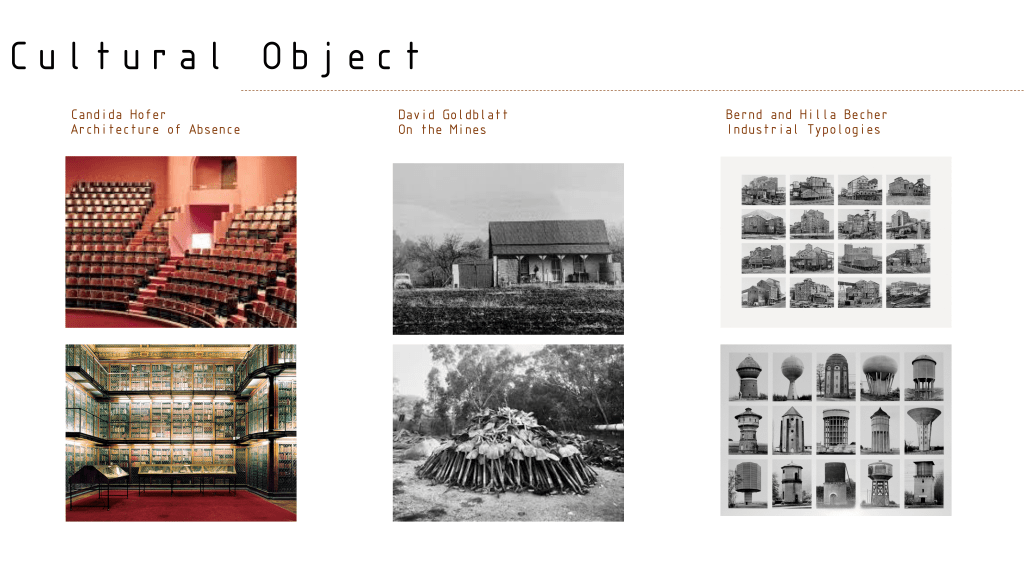
I had the first part of my contextual studies work due in this week and it involved a presentation and 300 word abstract, altogether it is worth 40% of the final grade. I covered the ways I got to my final argument for the essay in my presentation starting off with my honours site as this was my starting point. I just included the basic information about my honours site and the stuff I thought was most relevant.
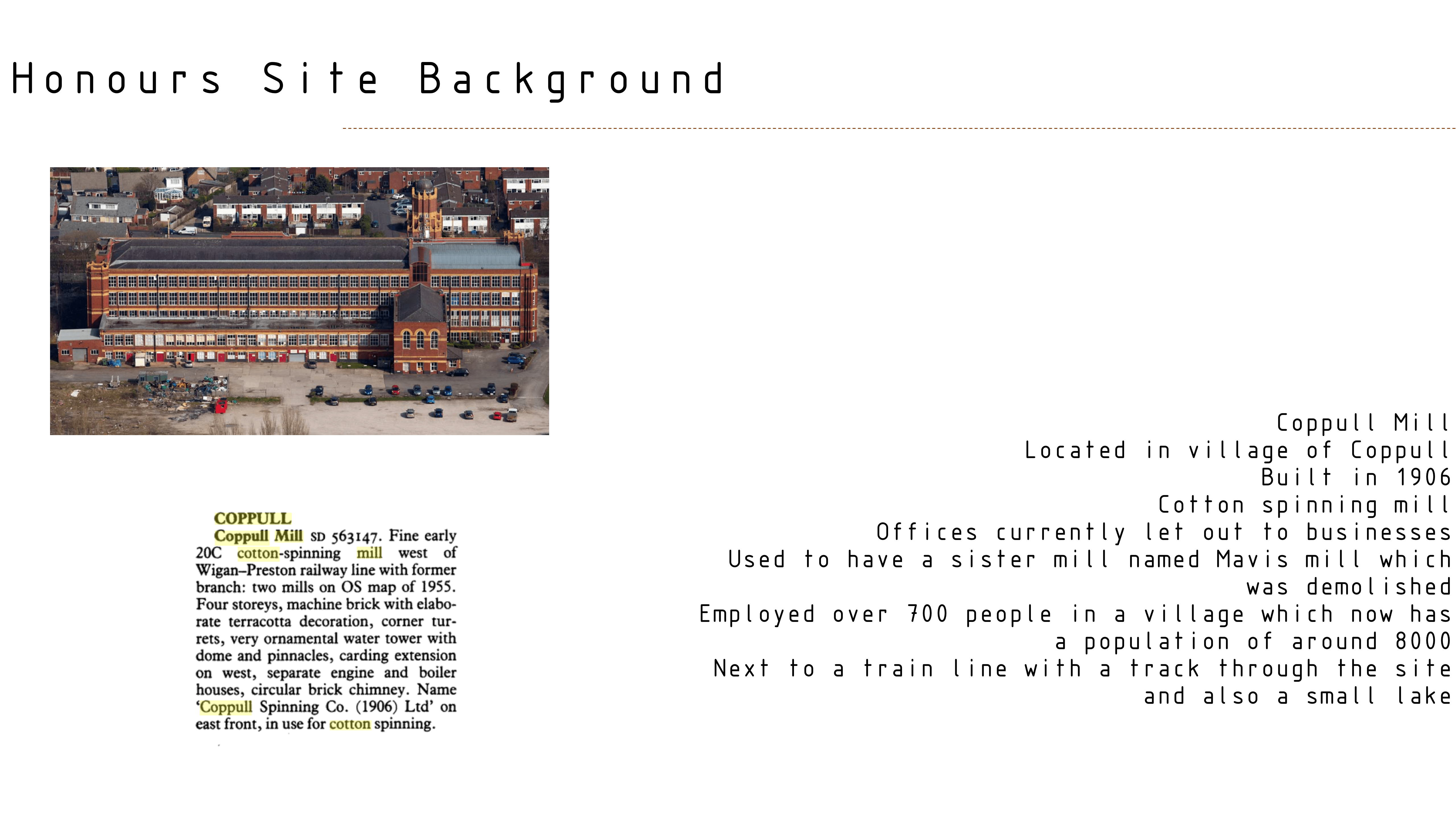
After I had visited the site I came up with words to describe the mill and feeling you get in the mill. The main word I would use to describe the site is silence and from there I wrote a passage on describing Silence. I got the dictionary description of silence and then expanded it myself to compare the silence to how much noise used to be in the mill.
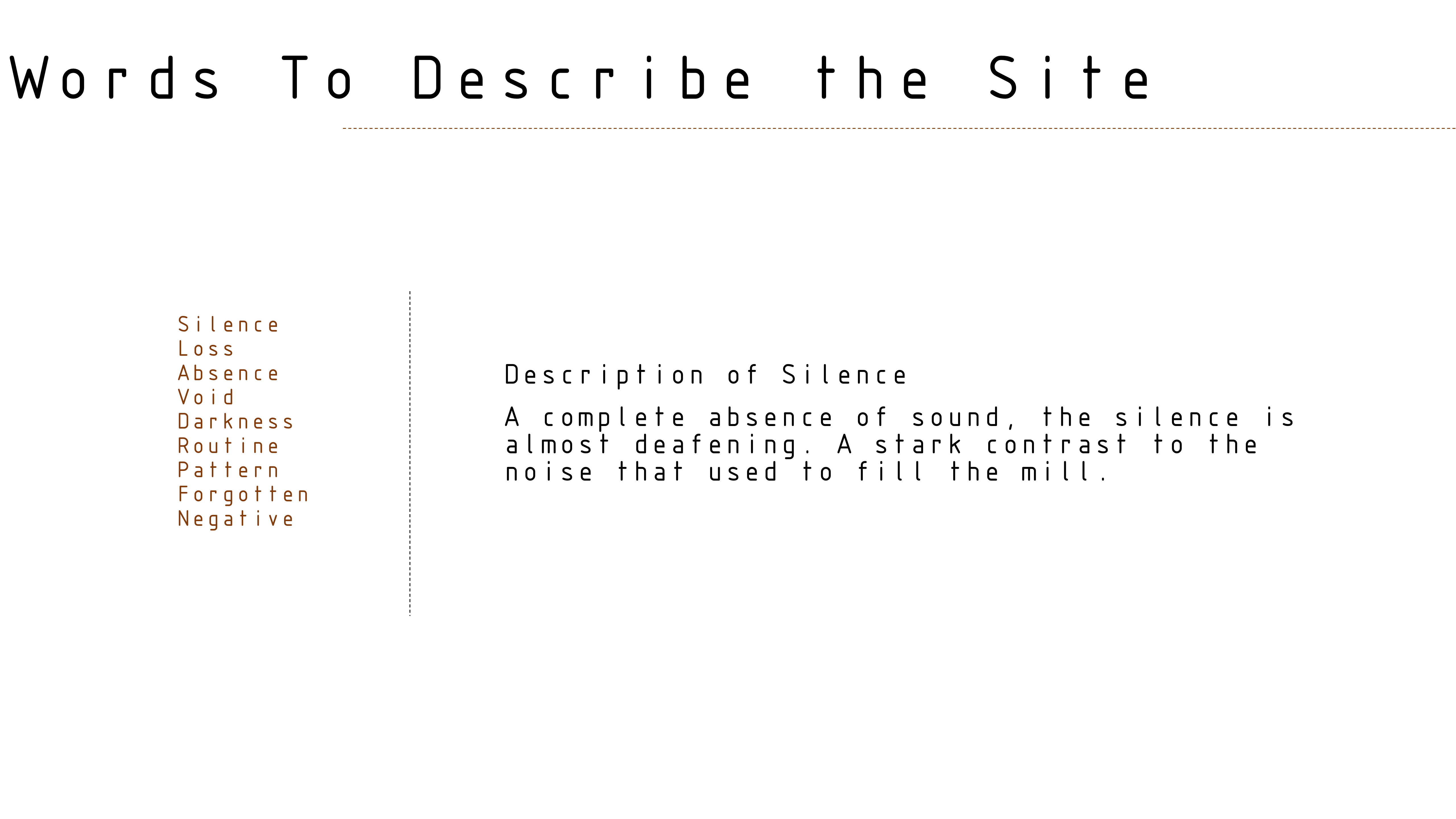
After writing the descriptive text I wrote a creative piece of writing to gain a view point and to see if I could get an idea for the argument from there. I also found other texts based on closed mills and the effects they have on people. Writing this narrative made me think about the people who used to work in Coppull Mill and the texts I found made me consider these people after the mills had closed. I began to focus on this social aspect of industry rather than the business itself.
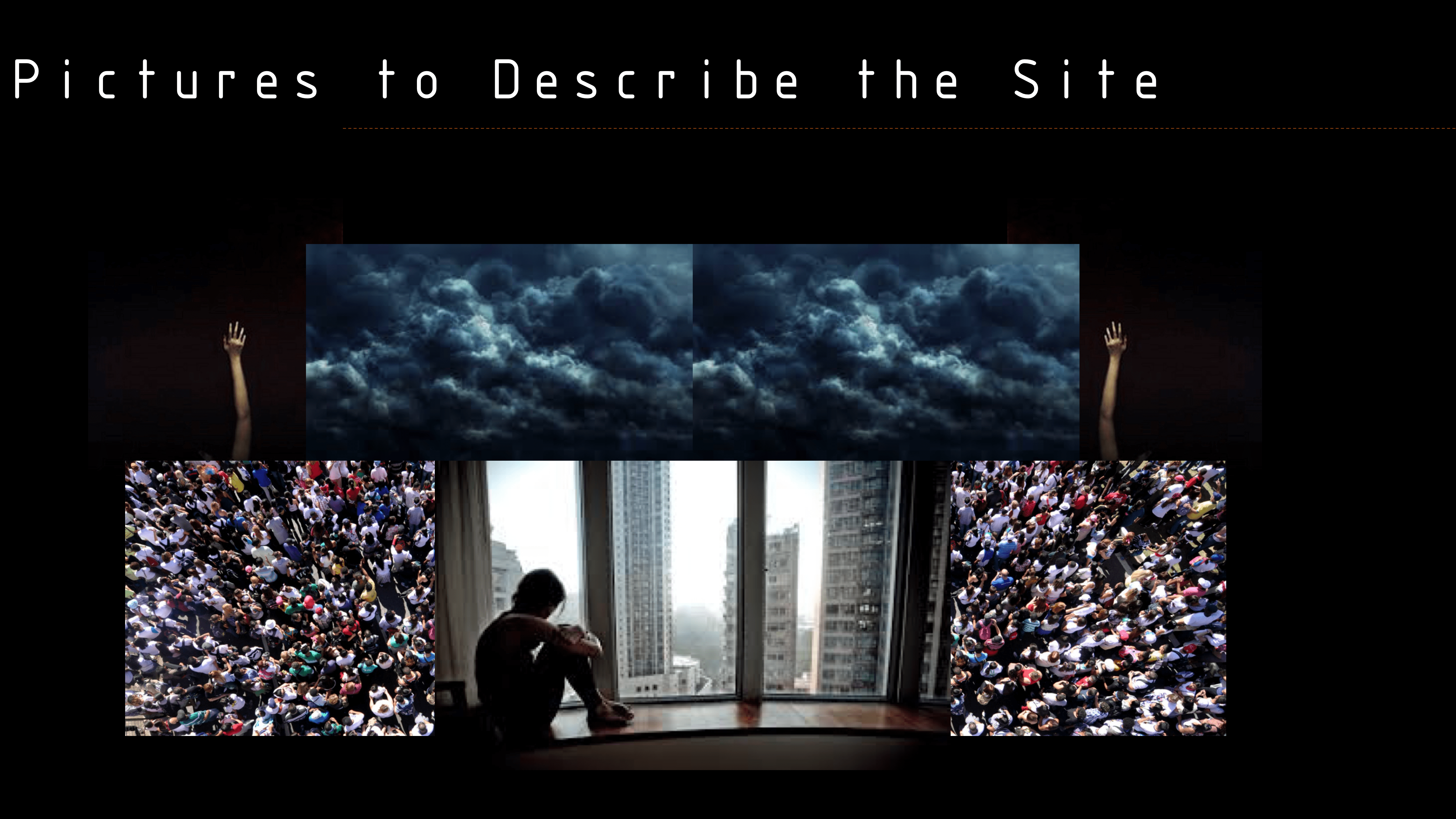
I looked further into this social aspect and what it felt like for the people who worked there to lose their jobs and lose their community and also the silence of the mill now. These pictures show that for me and how depressing silence and loneliness can be. I thought about other words such as forgotten and absence when picking the pictures and tried to create a scene using the pictures I found.
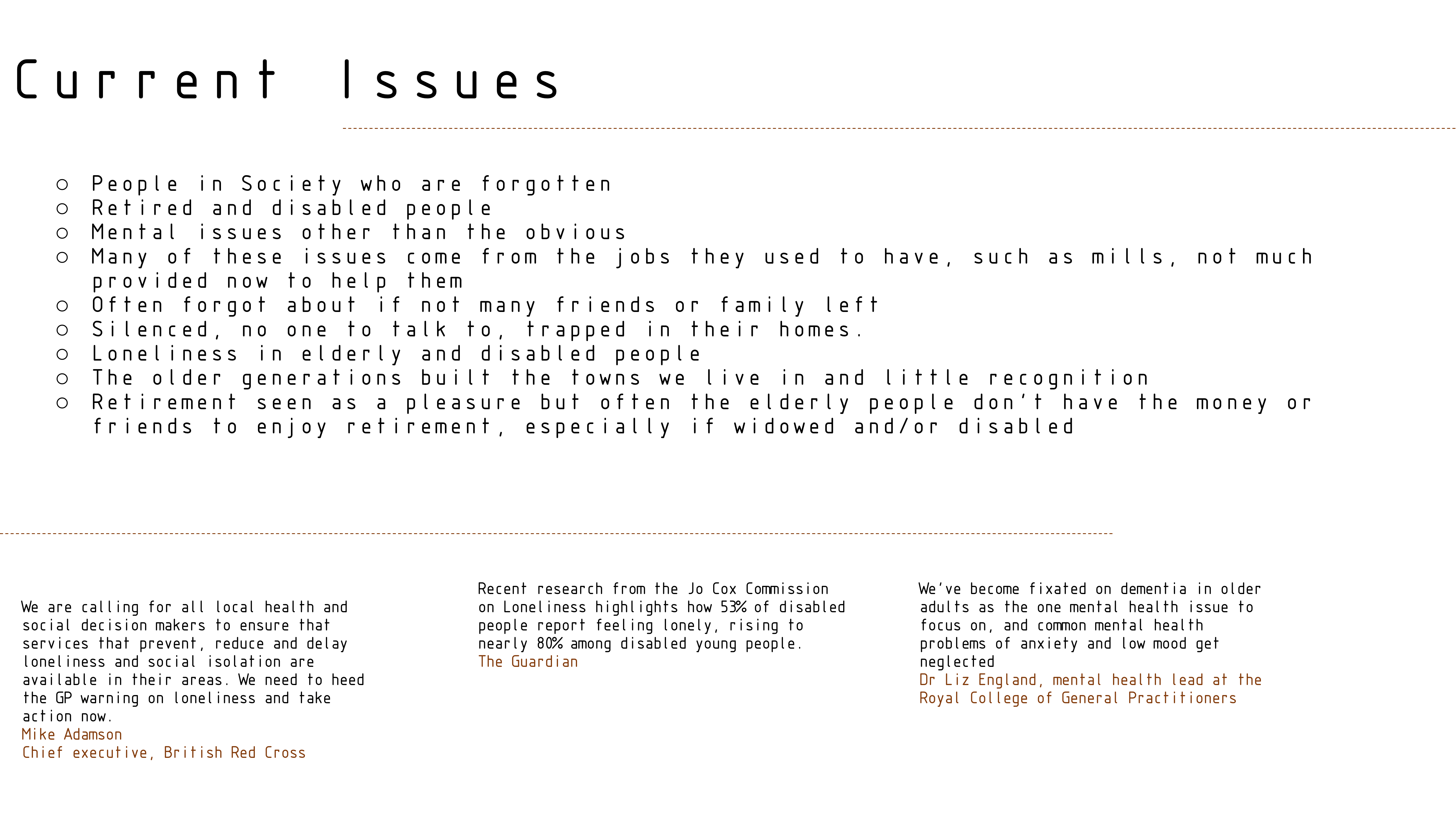
I searched for current issues to do with these feelings of loneliness and absence and I found information of the increase in mental health in older people and the disabled. Some articles I found included quotes from doctors and people at the British Red Cross to make sure I could back up my points with valid facts. This is when I started to develop my argument into how older people are forgotten about similarly to these old industrial buildings were many of them would have worked. From my narrative I also began thinking about injuries and disabilities caused through factories and mills and how these peoples lives had been affected and could link to the studies with elderly and disabled people who are now having mental health issues.
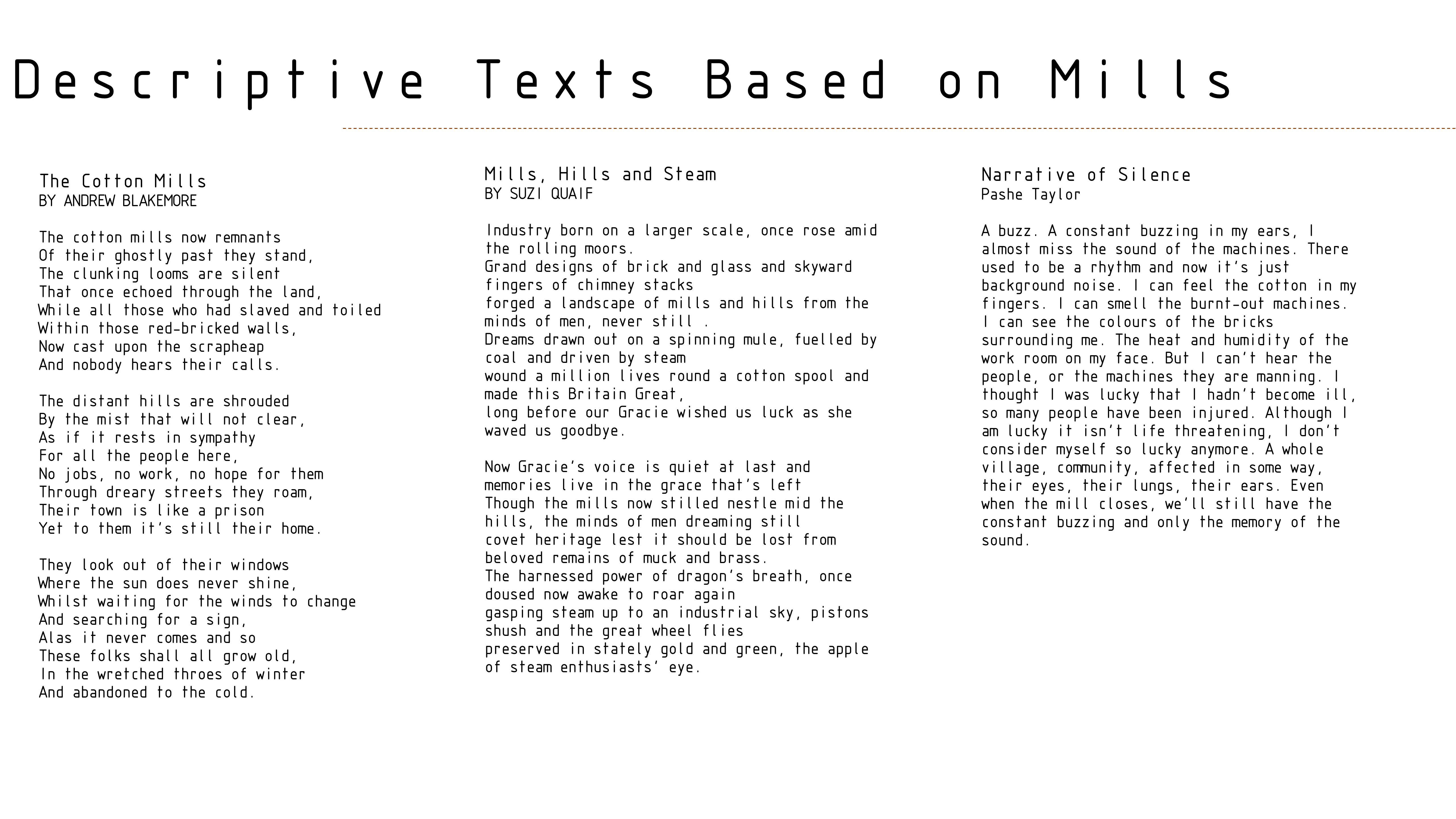
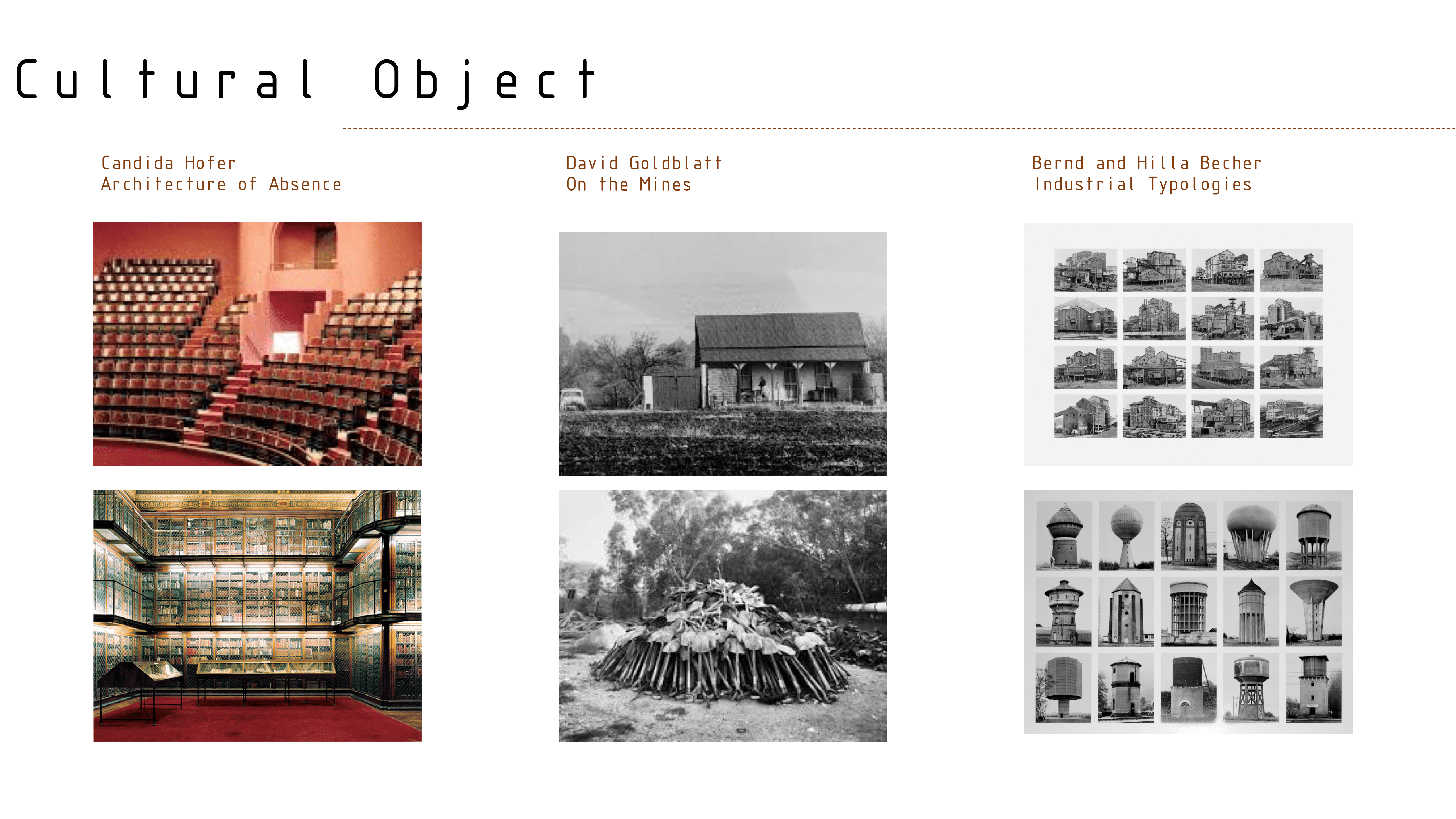
To begin finding my cultural object and supporting texts I searched Architecture of loss on google scholar. This was my starting point as I wanted to see if anyone had tried to show silence and absence through buildings as this would be my best place to start and to check I could back up my argument. The first cultural object I found from this was Architecture of Absence by Candida Hofer and this was a great example of how public buildings are in great condition and are vibrant buildings but have no one there, showing an absence. This was a good example for me as it showed silence visually and made it clear how good buildings can be without actually being used. From here I continued my searches for loss and On The Mines by David Goldblatt came up and this is a photography book based on a mining village which had since started to collapse but the community were still in the area and at the site. This book is great fro me and my argument because it is specifically about industry and workers and the community that can be formed around the work. It shows loss through decay and lack of colour but also has a sense of hope for these people as they still have each other even though they have no industry left. I struggled at this point to gain many texts based on these books so I looked further into the photographers and discovered Candida Hofer was taught by the Bechers. Bernd and Hilla Becher were photographers who have made lots of books based on industrial buildings and showing their disuse. Typologies was the best book for me I think because it shows so many different types of industrial architecture and they all show how they aren’t used and lack of human presence. They are very systematic with their photographs and all of them are black and white with the building int he centre of the picture. This gave me my best examples of these buildings being a sort of metaphor for the people in communities whoo are forgotten about. They are different buildings with different purposes but they are seen as a group that all have a similar feeling of loss.
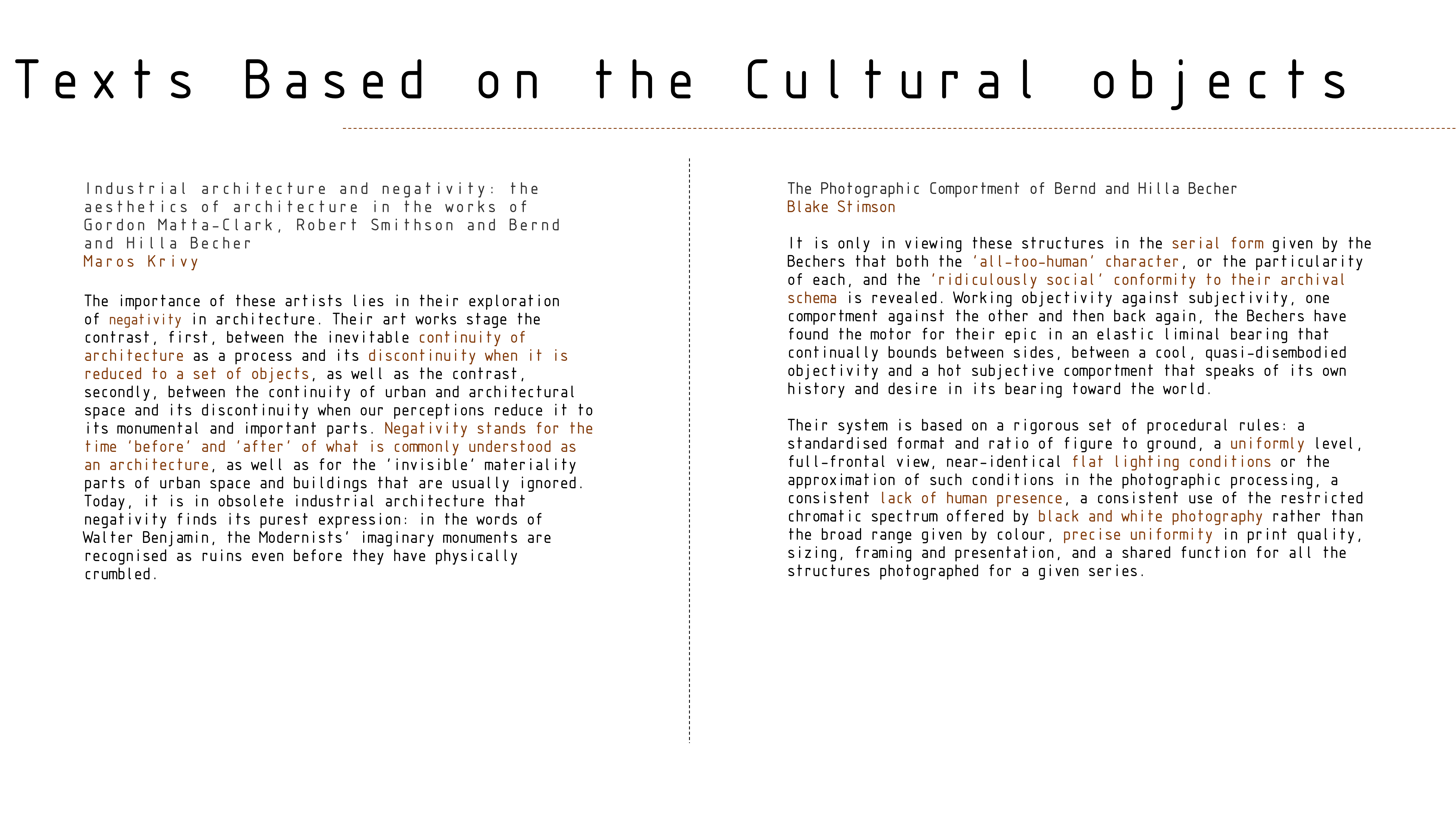
As the Bechers are more famous photographers than Hofer and Goldblatt there were far more critical texts about there work. This gave me more of a background on architectural photography and meant I could look further into this as part of my essay. In my presentation I highlighted some key words and important sentences that could help me with my argument. Such words were ‘negativity; and the reason I thought this important was the link back to absence and showing what wasn’t there anymore. These texts gave me other photographers to do a bit more research into to either back up my argument or give me a counter argument.
After I had completed a lot of my research and gained an argument with facts and critical texts to back up my points I put all of this information into a diagram that shows all the links and how it all works together. 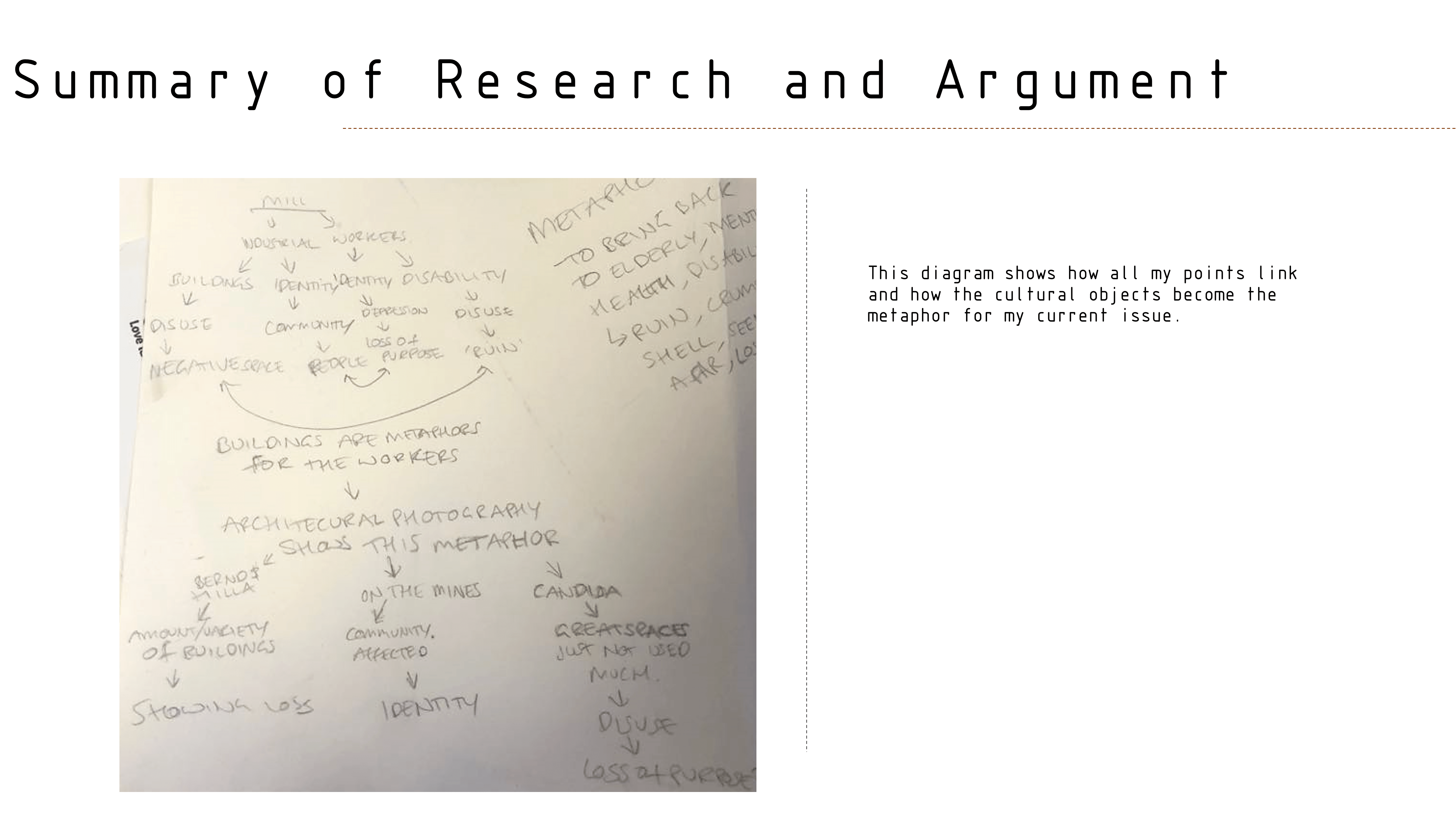
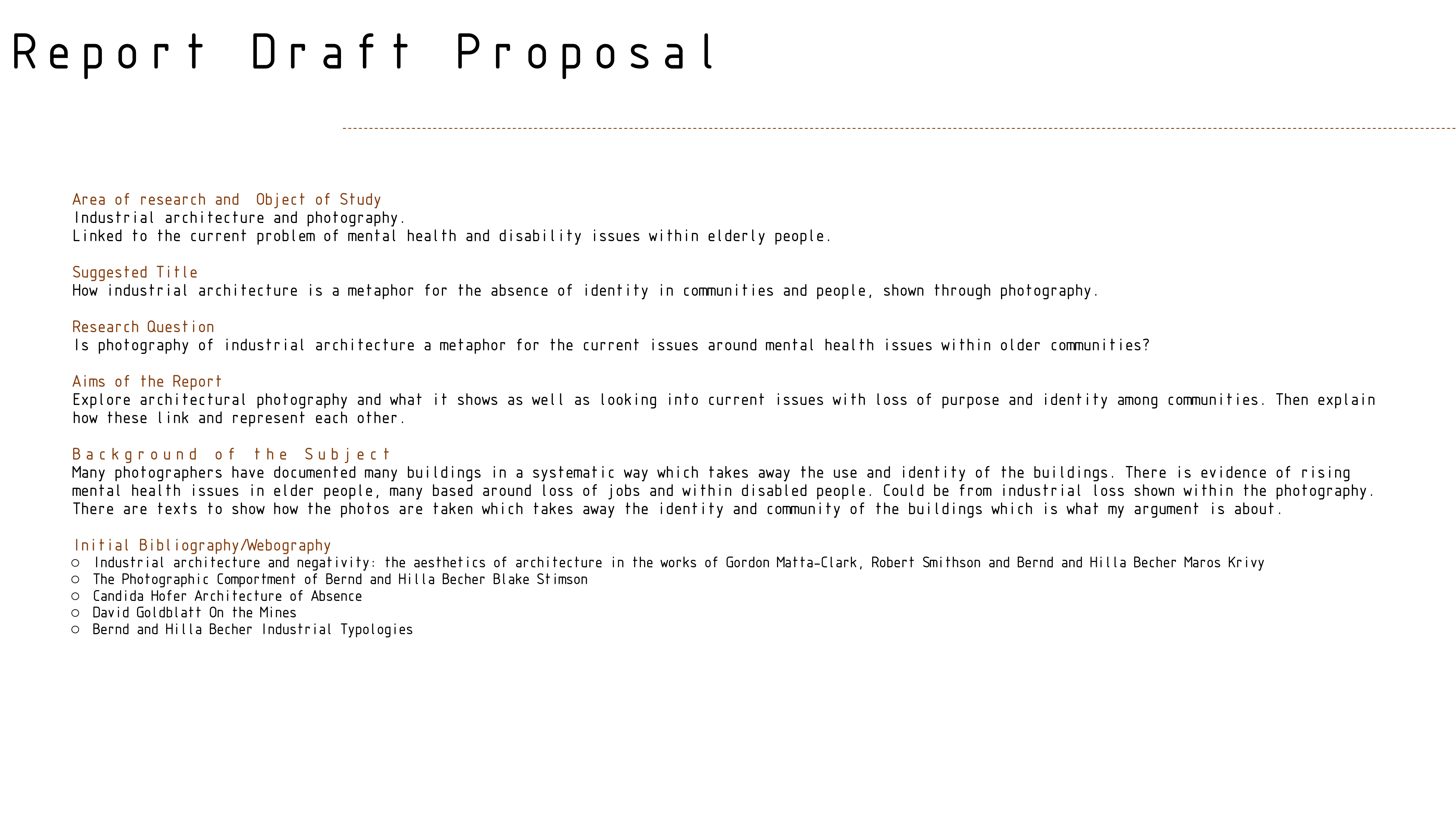
The last slide of mu presentation was a summary of my main points and questions that I would cover in my report. I put this into my report proposal to make sure I had answered as much as possible to be able to write my abstract.
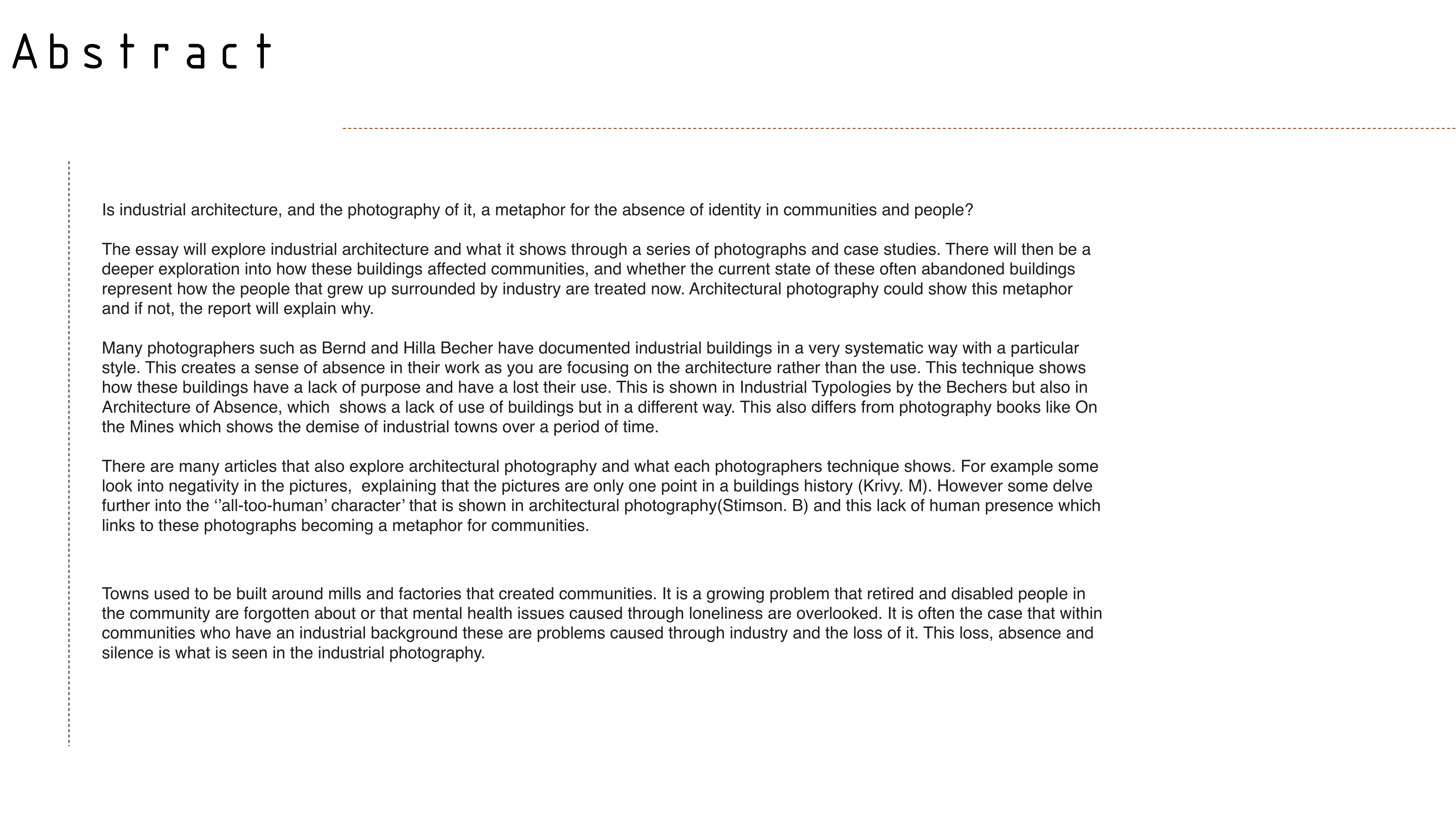
My abstract could only be 300 words which I struggled with as I wanted to make sure I had included everything and it was easy to understand. I’m hoping I managed that and it can develop my ideas from this point to be bale to write a solid essay later on.
 PORTFOLIO
Leave a comment