
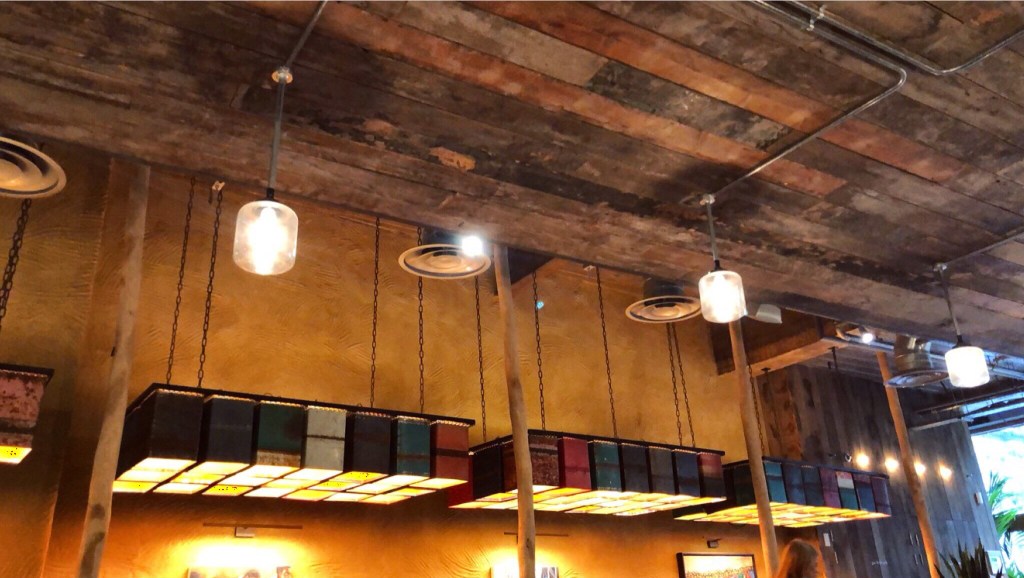
As an interior designer, lighting is super important, it can alter colours, moods and make a room uncomfortable if done badly. Lighting needs change from residential, to commercial spaces and then within those fields of design there are further needs for certain rooms and the purposes of them. They can highlight special products, keep workers more focused and create a cosy space that prolongs the rooms use. I will explore these differences and show examples of how it works in this blog post.
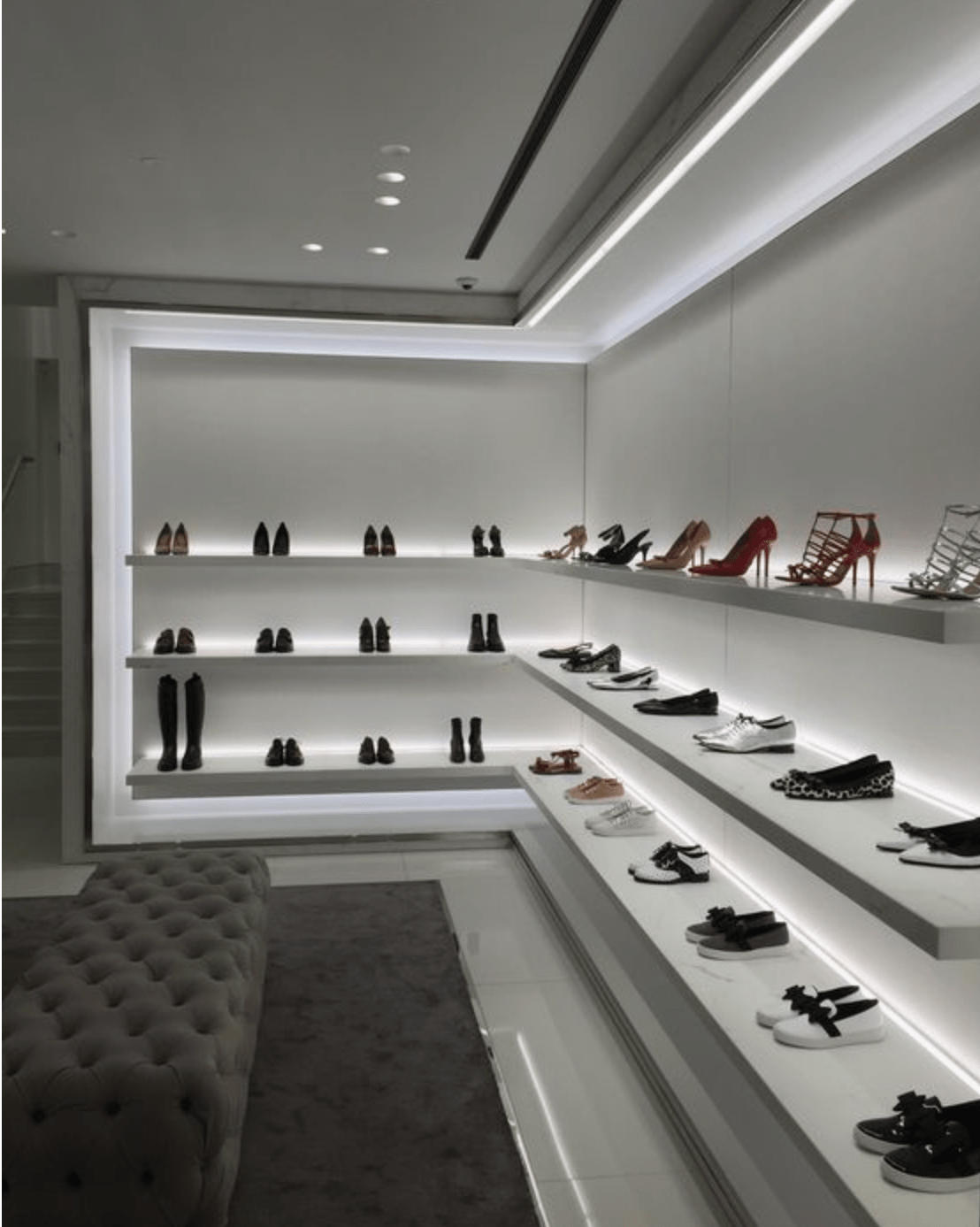
I will start by looking at commercial lighting. To sell more products or highlight the more expensive products lighting is used to direct customers attention and make products look better. This happens quite often in clothes or show shops, there are a lot of things to sell and often the most expensive things are less crowded with either spotlights or backlighting in a whiter and brighter light to show of the colour and materials used, often this happens in higher end shops where they have less products to sell but for a higher price.


Brighter light makes people feel more creative and more positive so will work better in wight bright light, this would be used in office spaces and educational spaces. Often more open spaces with a lot of lighting in the ceiling and also with spotlights to direct focus. This lighting can also make people feel more awake and attentive but if on the collar side of the spectrum can have a negative effect on mood and memory. This is why most offices and classrooms prefer to have a design that incorporates a lot of natural light as it is warmer and can boost moods and studies have shown it improves quality of work.


Lighting in supermarkets is also very specific to the products it needs to illuminate. This is really important in making sure customers see the food as its highest quality. Bread is usually lit up by a warm, dimmer light as bread looks best when warm and golden so looks more appealing under this light.Whereas if meat was surrounded by a warm, dim light it would look off and as if it had a shorted shelf life, especially red meat as it needs to look red/purple in colour not brown. This is the same for products like milk sand any fresh fruit and veg that will look old and less appetising in a warm light.


When it comes to bars and restaurants, the lighting can depend on the concept behind the place or how long you would want a customer to stay there. In most bars and restaurants that you would visit in the evening the lighting is usually darker and in warmer colours as this makes it more cosy and comfortable to sit in of ra long period of time. This would then encourage people to buy more drinks or have dessert. In places like this the lighting is also low-level with not many ceiling lights. This creates a focus on the food or drink and doesn’t cause too much strain on the eyes. However, if it was a healthy breakfast cafe or an ‘express’ type of restaurant the lighting will be brighter with more cool tones to make things look fresher and to wake people up. This lighting is colder and are uncomfortable to sit in, especially when used along side harder materials and more smooth and shiny surfaces. People will stay in these places a shorter amount of time meaning the cafe/restaurant can serve more people.


The same lighting techniques can be applied in the home in almost the same way. Dining rooms and sitting rooms will have warmer and less light to encourage a longer stay and make it cosy to stay in. Whereas, kitchens and bathrooms will usually be lighter with white light to make things looks cleaner, more hygienic and fresh. Residential lighting is more often changeable through the day into night as rooms usually have dual purposes and changes in usage times. For example, a bedroom, Natural light will help in a morning and is a cooler light usually at that time, dressing tables with desk lamps are often cool and brighter, helps wake up the user and be more creative. Compared to night time, when bedside lamps or even fairy lights are used which are a warmer light creating a mood and relaxes the user.
 PORTFOLIO
Leave a comment